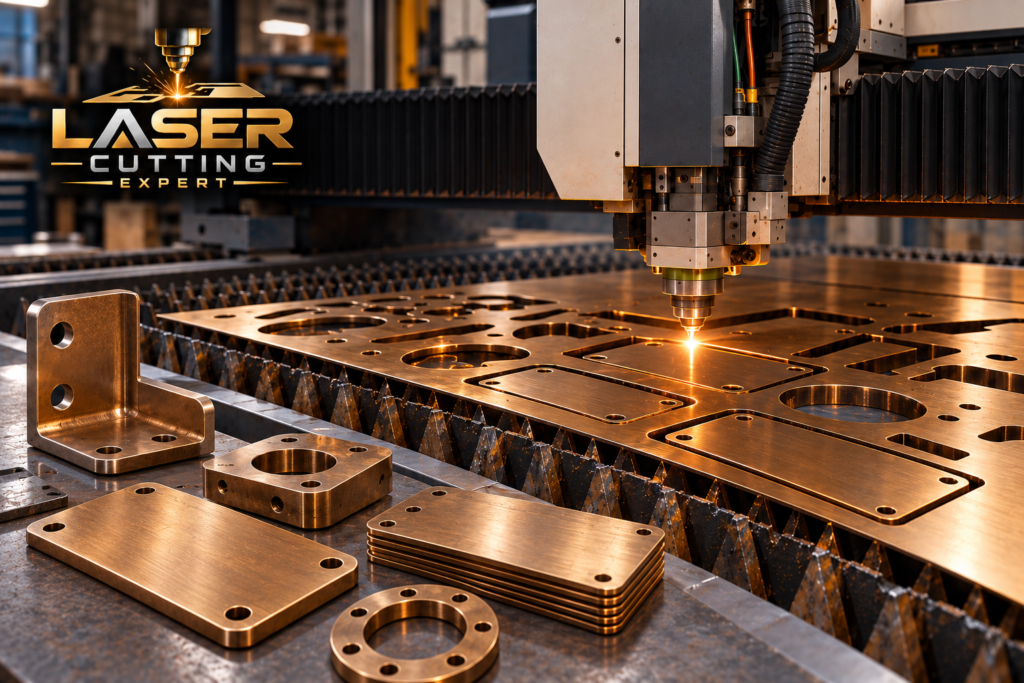
Bronze has been used for practical objects, architecture and artwork for centuries, but modern sheet processing starts with a very current question: what bronze alloy are we actually working with? Bronze is not one fixed recipe, and different grades can contain different combinations of copper, tin and other alloying elements. Laser Cutting Expert handles enquiries for laser cutting bronze from our London workshop for plaques, signs, decorative panels, artwork, furniture details, engineering profiles and bespoke components. We work with businesses, designers, artists, engineers and private customers throughout the UK. There is no minimum quantity, so projects can begin with one test piece or prototype before moving into repeat production.
CALL OR EMAIL US FOR PRICES
“Order any time of the day or night and receive your order on the same day in London. You are welcome to visit our laser cutting shop for an instant laser cutting service. On-site collection or free delivery can be arranged. Email us at laser@makergroup.uk for a quick quote or call us on 02036339857 for an instant price”.
Same Day Laser Cutting & Delivery
We can arrange a same day courier delivery with customer live tracking. Or customers can collect from our Laser Cutting Expert shop.
OPEN 24 HOUR
We are open 7 days a week, and you can order at any time. There is no last ordering time and no deadline. We also offer an overnight laser cutting service.
100% Satisfaction
High Quality Laser Cutting & 100% Customer Satisfaction Guarantee. Top-Rated Laser Cutting Company on Google.

Free File Check
We offer a free file check and proof before sending your artwork for laser cutting.
Bronze Starts with the Alloy Specification
Colour alone is not enough to identify bronze. Two sheets may both have a warm brown-gold appearance while differing significantly in composition and processing behaviour. Before laser cutting bronze, we need to understand the grade, thickness and condition of the material. This is particularly important when customers provide their own sheet. Alloy composition can affect thermal behaviour, reflectivity, edge condition and suitability for the selected cutting system. Where the material is unfamiliar, supplier information or a material specification is helpful. We do not assume that bronze should use exactly the same settings as brass or copper simply because all three materials belong to the broader copper-alloy family.
Plaques Made for Long-Term Display
Bronze is strongly associated with plaques because its appearance works naturally with commemorative, architectural and heritage settings. Suitable projects can include memorial plaques, building plaques, dedication panels, donor signs and information plates. Laser cutting bronze can produce the outside profile, shaped corners, mounting holes and suitable internal openings before lettering or other surface details are added through separate processes. The material may change colour naturally over time, particularly outdoors, so designers should decide whether they want a polished appearance, controlled patina or naturally ageing surface. Fixing systems should also suit the installation environment and the weight of the completed bronze component.
Memorial and Commemorative Pieces
Names, dates, symbols and custom silhouettes can form part of memorial installations in gardens, buildings and public spaces. Bronze can provide a traditional material appearance while still being manufactured from modern digital artwork. With laser cutting bronze, shaped panels, backing pieces, borders and decorative components can be created from supplied CAD or vector files. Fine text is usually better handled through an appropriate engraving or marking method rather than attempting to cut every letter completely through the metal. Outdoor memorials should also be designed around drainage, fixings and safe edge treatment. Public installations may require additional approval and structural consideration from the responsible organisation or installer.
Bronze Signs and Individual Lettering
Bronze signage can suit hotels, restaurants, heritage buildings, private properties and high-end interior spaces. We can manufacture custom letters, numbers, logos and sign profiles through laser cutting bronze, allowing the shape to follow supplied branding rather than standard metal lettering. Individual characters can be mounted directly to a wall or combined with stone, timber, acrylic or another backing material. Very thin font strokes may need adjustment to remain practical in metal. Surface finishing also changes the character of the sign considerably. Polished, brushed, aged and naturally patinated bronze can all look different, so the intended final appearance should be considered before production begins.
Architectural Bronze Details
Architects and interior designers may specify bronze for wall panels, lift surrounds, entrance details, trims, screens and other visible architectural components. Laser cutting bronze allows custom openings, profiles and decorative geometry to be incorporated into the sheet before further fabrication. Large panels need appropriate support because material thickness and pattern density affect stiffness. The bronze alloy should also be chosen around the environment rather than appearance alone. Where panels form part of a façade, guarding system or another safety-related building element, structural design and compliance remain the responsibility of the architect or engineer. Our role is to manufacture suitable profiles according to approved production drawings.
Hotel, Restaurant and Retail Interiors
Bronze can introduce a warm metal finish into commercial interiors without relying on paint or printed imitation effects. Menu surrounds, room numbers, wall logos, counter details, shelf features and decorative inserts are possible applications. When laser cutting bronze for visible interiors, surface handling becomes particularly important because fingerprints, scratches and natural oxidation can alter the appearance. Designers should identify the presentation face and intended finish before production. Bronze can also be paired with timber, glass, stone and acrylic within retail displays or hospitality furniture. Where components will receive regular cleaning, the specified finish and maintenance method should be appropriate for the actual bronze alloy used.
Decorative Screens with a Different Character
Bronze screens can be used for room dividers, wall features, cabinet panels and decorative inserts. Geometric patterns, botanical motifs and custom artwork can be translated into suitable cut-outs using laser cutting bronze. The pattern should be designed around the amount of metal remaining between openings. Very narrow bridges can become vulnerable during handling, especially across large panels. A surrounding border can help maintain the overall form, while a frame may be required for substantial installations. If several panels form one continuous design, grain, surface tone and pattern alignment should be planned together. A sample section can help confirm scale before an entire decorative installation is produced.
Bronze Artwork and Silhouettes
Artists can use bronze sheet for wall pieces, sculptures, silhouettes, maps and layered compositions. Digital laser cutting bronze provides a way to translate vector artwork into repeatable metal profiles while retaining irregular or detailed outlines. Different bronze finishes can also become part of the artwork, from bright polished surfaces to intentionally aged patinas. For layered pieces, bronze can sit over timber, stone or contrasting metal. Narrow connections in detailed artwork need enough width to survive fabrication and installation. Larger sculptures may require several laser-cut components that are subsequently formed or welded. Structural support for substantial artwork should be designed separately from the decorative cutting pattern. our Subcontract & Industrial Laser Cutting service can be used as the next production stage.
Furniture Inlays and Metal Accents
Bronze does not need to form the whole piece of furniture to have a noticeable effect. Small metal inserts, trims, plaques, handles, decorative plates and table details can introduce the material into timber or upholstered products. Laser cutting bronze allows furniture makers to order custom shapes that match a particular design rather than adapting standard hardware. Where a bronze piece fits into a routed timber recess, actual dimensions and manufacturing tolerances should be coordinated between both materials. Visible surfaces should also be protected appropriately during assembly. Load-bearing furniture hardware requires separate engineering consideration; a decorative bronze plate should not automatically be assumed suitable as a structural connection.
Lighting and Decorative Metal Components
Bronze can be incorporated into lamps, wall lights, decorative shades and architectural lighting features. Suitable laser-cut parts may include face plates, patterned screens, mounting plates and decorative rings. Through laser cutting bronze, repeated openings can become part of the lighting effect by allowing controlled areas of light through the metal. Electrical clearances, heat management and mounting requirements must be designed around the complete luminaire rather than the cut sheet alone. If a bronze component is close to lamps, drivers or electrical connections, the lighting manufacturer should determine the appropriate construction. Commercial lighting products may also require testing and certification beyond the manufacture of individual metal parts.
Awards and Presentation Pieces
Bronze is well suited to awards, commemorative pieces and presentation objects where weight and material character are part of the design. We can use laser cutting bronze to create shaped plates, logos, numbers, decorative profiles and layered elements that are later engraved, mounted or assembled with other materials. Timber bases, acrylic layers and stone can provide contrast against the bronze surface. One-off personalised awards are possible because there is no minimum order. For repeat events, the basic design can remain consistent while names, dates or categories are changed separately. Surface finishing should be planned early so the cut component fits naturally into the appearance of the completed award.
Heritage and Restoration Components
Older buildings, furniture and decorative installations can contain bronze components that are no longer available as standard products. In suitable cases, laser cutting bronze can help reproduce flat plates, escutcheon-style shapes, decorative profiles or replacement pieces from drawings or carefully measured originals. Restoration work needs sensitivity because reproducing geometry does not automatically reproduce historical manufacturing methods, alloy or finish. Conservation professionals may require a particular bronze specification or traditional finishing approach. Where heritage significance is involved, those decisions should come from the responsible architect, conservator or restoration specialist. We can then manufacture suitable profiles according to the agreed dimensions and material requirements.
Name Plates and Equipment Identification
Bronze name plates can be used for machinery, doors, furniture and specialist equipment where a distinctive metal appearance is required. Laser cutting bronze can define the outside profile and mounting holes before text or serial information is added by an appropriate marking method. Rounded corners, unusual outlines and custom fixing patterns can all be included within the CAD drawing. If the plate is intended for an industrial environment, the bronze grade and fixing method should be suitable for the expected conditions. Regulatory information, warning text and mandatory identification remain the responsibility of the equipment manufacturer. We manufacture the specified component rather than deciding what information must legally appear on it.
Engineering Components in Bronze
Bronze alloys are also used in engineering, particularly where properties such as wear behaviour, corrosion resistance or bearing performance are required. Flat components may include plates, washers, spacers and custom profiles. Before laser cutting bronze for engineering use, the exact alloy and required tolerances need to be established. Some bronze components are better suited to machining, especially where close dimensional tolerances, bores or functional surfaces are involved. Laser cutting can sometimes provide a near-net blank that moves into machining afterwards. For load-bearing, pressure-related or safety-critical components, material grade and final dimensions should always be specified and validated by the responsible engineer.
Bronze Washers and Custom Rings
Circular parts can look straightforward, but their intended function determines how they should be produced. Bronze washers, rings and spacers may be decorative, mechanical or part of a larger engineering assembly. With laser cutting bronze, outside diameters and internal openings can be produced from CAD geometry for suitable applications. Very tight bore tolerances or bearing surfaces may require secondary machining rather than relying solely on the laser-cut edge. Mixed washer sizes can be nested together for prototypes or maintenance sets. Where the component carries a significant load or works within moving machinery, the responsible engineer should specify alloy, thickness, tolerance and any finishing required after the initial profile has been produced.
Bronze Blanks for Machining
Laser cutting does not always need to create the final component. For some engineering jobs, the most useful result is a shaped blank with excess material left where precision machining will follow. Laser cutting bronze can reduce the amount of material that later needs to be removed by milling or another process, particularly for irregular outside profiles. Machining allowances should be shown clearly in the production drawing. This combined approach can be useful where the finished part needs machined holes, accurate bearing surfaces or other features beyond normal profile-cutting tolerances. The engineer or machinist should determine the required allowance according to the final manufacturing sequence.
Surface Ageing Is Part of the Design
Bronze surfaces do not necessarily remain the same colour they had when the sheet was new. Handling, atmosphere, moisture and finishing methods can all change the surface over time. A laser cutting bronze project intended for an interior reception area may therefore need a different finishing strategy from an outdoor plaque expected to develop a natural patina. Designers can choose to polish, brush, chemically patinate or otherwise finish suitable bronze after cutting. If several components need to match closely, finishing them as a coordinated batch may produce a more consistent appearance. The exact response depends on alloy composition, so samples can be useful when colour is important.
Bronze Is Not Brass
Bronze and brass are both copper alloys, but they should not be treated as interchangeable materials. Brass is principally associated with copper and zinc, while traditional bronze is associated mainly with copper and tin, although modern alloy families can be more complex. For laser cutting bronze, knowing the actual specification is therefore more useful than relying on a general colour description. Material choice can affect corrosion behaviour, strength, machining and finishing as well as cutting. If a drawing simply says “bronze colour”, the designer should clarify whether genuine bronze is required or whether the project only needs a similar visual appearance from another material or finish.
Domex Belongs to a Different Material Family
Requests for domex laser cutting should be treated separately from bronze work. Domex is associated with high-strength structural steel products rather than copper-based bronze alloys. These steels are used where designers want strength while controlling component weight in applications such as transport equipment, frames and structural fabrications. Grade, thickness, bend direction and mechanical requirements need to be identified before processing. Laser-cut profiles may later be bent, welded or machined as part of a larger fabrication. For structural applications, the responsible engineer must specify the correct grade and component design. We do not substitute bronze processing assumptions when evaluating high-strength structural steel.
Hardox for Wear-Related Applications
Hardox laser cutting is another separate specialist steel requirement and should not be confused with bronze. Hardox is associated with wear-resistant steel used for components exposed to abrasion, impact or demanding service conditions. Suitable profiles can include liners, wear plates, equipment parts and fabrication blanks, depending on grade and thickness. Heat input and downstream fabrication need to respect the requirements of the specified steel. Welding, bending and machining procedures may also differ from ordinary mild steel. Customers should provide the exact grade and drawing before production. For safety-critical machinery, material selection and final component performance remain the responsibility of the equipment designer or engineer.
High-Strength Steel Needs Its Own Drawing Information
A drawing submitted for domex laser cutting or hardox laser cutting should identify more than the outside profile. Material grade, thickness, critical tolerances, bend requirements and subsequent fabrication can influence how the component should be produced. Parts heading into bending may need grain or rolling direction considered, while wear components may require specific edge or hole requirements. These materials should never be substituted casually because two sheets happen to have similar thicknesses. If a component forms part of a vehicle, lifting system, structural assembly or heavy machinery, engineering approval remains essential. Our production follows the approved specification rather than selecting a grade based solely on cutting convenience.
Prototype First When the Material Is Valuable
Bronze can be costly, especially when a project uses a particular architectural or decorative alloy. Producing one test component can therefore be sensible before cutting a complete batch. A prototype allows the customer to check proportions, mounting holes, surface appearance and fit against surrounding materials. Our laser cutting bronze service has no minimum quantity, so one plaque, letter, furniture insert or engineering blank can be manufactured for evaluation. The same principle can apply to suitable domex laser cutting and hardox laser cutting projects where a fabrication design needs physical checking. Digital drawings can then be revised before additional material is committed.
Technical Approach to Bronze and Specialist Steels
Successful laser cutting bronze starts with alloy identification, thickness, surface condition and required geometry. Reflectivity and thermal behaviour need appropriate equipment and process settings, while visible pieces require careful surface handling. Engineering bronze may also need secondary machining where precision features are required. Domex laser cutting and hardox laser cutting involve completely different steel families and should be assessed according to their own grades, mechanical properties and downstream fabrication requirements. In every case, laser cutting is only one manufacturing stage. Structural capacity, wear performance, pressure suitability and safety-critical functions must be specified and validated by the responsible engineer, manufacturer or fabricator.
Same Day Bronze Cutting London
An urgent bronze sign, replacement plate or prototype does not always need a large production run. Laser Cutting Expert operates from London 24 hours a day, seven days a week, including bank holidays. Suitable laser cutting bronze projects can be considered for same-day production where the correct material, artwork and process are ready. There is no minimum quantity, so customers can order a single component or a small mixed set. Customer-supplied identified material is welcome, or we can discuss sourcing suitable sheet. Same-day courier delivery is available across London for appropriate completed work, while next-day UK delivery options are available depending on production and finishing requirements.
Bronze and Specialist Metal Cutting Across the UK
We work with artists, architects, engineers, furniture makers, sign companies, restoration specialists and manufacturers throughout the UK. For laser cutting bronze, send us the alloy where known, thickness, dimensions, quantity and CAD or vector artwork. For domex laser cutting or hardox laser cutting, include the exact steel grade and any important fabrication requirements. Design support is available if the file still needs preparing for production. Our London workshop handles one-off pieces, prototypes, short batches and repeat manufacturing. Suitable urgent London work can be delivered on the same day, with nationwide delivery available for completed projects according to their dimensions and production schedule.
FAQs About Bronze Laser Cutting
1. What can you make from bronze sheet?
Suitable projects can include plaques, signs, letters, decorative panels, furniture details, artwork, washers, spacers and engineering blanks.
2. Is bronze the same as brass?
No. They are different copper-alloy families. The exact alloy should be identified before laser cutting bronze.
3. Can you make bronze memorial plaques?
Yes. We can produce custom plaque profiles, mounting holes and decorative shapes, with suitable marking or finishing handled as additional processes where required.
4. Do you provide Domex cutting?
We can assess domex laser cutting enquiries separately according to the exact high-strength steel grade, thickness and fabrication requirements.
5. Can you cut Hardox?
Suitable hardox laser cutting projects can be assessed once the exact grade, thickness, geometry and intended application are known.
6. Can I provide my own bronze?
Yes. Customer-supplied bronze can be considered where the alloy and material specification are known and suitable for the required process.
7. Is there a minimum order?
No. You can request one prototype, one personalised bronze piece, a short production run or repeat manufacturing.