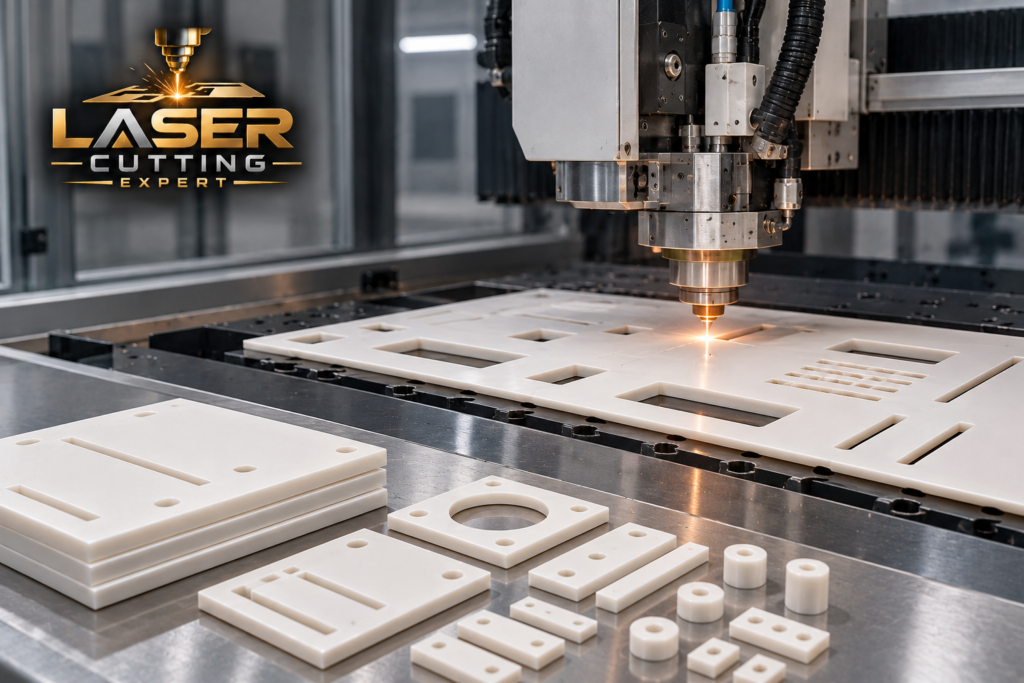
Ceramic is not one predictable sheet material. A decorative wall tile, an alumina electronics substrate and a technical zirconia component may all be called ceramic, yet their manufacturing requirements can be completely different. That is why Laser Cutting Expert approaches ceramic laser cutting by identifying the material first and choosing the process afterwards. From our London workshop, we handle suitable prototypes, decorative components, technical profiles and development enquiries for businesses, engineers, designers, artists, students and manufacturers throughout the UK. Projects involving laser cutting ceramics are reviewed according to ceramic type, thickness, geometry and required edge condition. There is no minimum order, so testing can begin with a single component.
CALL OR EMAIL US FOR PRICES
“Order any time of the day or night and receive your order on the same day in London. You are welcome to visit our laser cutting shop for an instant laser cutting service. On-site collection or free delivery can be arranged. Email us at laser@makergroup.uk for a quick quote or call us on 02036339857 for an instant price”.
Same Day Laser Cutting & Delivery
We can arrange a same day courier delivery with customer live tracking. Or customers can collect from our Laser Cutting Expert shop.
OPEN 24 HOUR
We are open 7 days a week, and you can order at any time. There is no last ordering time and no deadline. We also offer an overnight laser cutting service.
100% Satisfaction
High Quality Laser Cutting & 100% Customer Satisfaction Guarantee. Top-Rated Laser Cutting Company on Google.

Free File Check
We offer a free file check and proof before sending your artwork for laser cutting.
First Tell Us Which Ceramic You Have
The word ceramic covers an enormous range of materials. Traditional fired clay products, porcelain, alumina, zirconia, aluminium nitride and other technical ceramics do not respond identically to concentrated laser energy. Before laser cutting ceramics, we therefore need the material name and, for engineering products, its grade or manufacturer specification. A photograph is not enough to establish composition. Glazes, coatings, reinforcement and manufacturing method can also influence the result. If the customer supplies the material, technical information is particularly useful. Correct identification lets us determine whether laser processing should be considered, whether a specialist laser technology is required or whether another manufacturing process would produce a more reliable component.
Brittle Materials Need a Different Cutting Mindset
Metal can deform before it fails. Many ceramics behave very differently and may crack with little visible warning. During ceramic laser cutting, concentrated heating can create thermal gradients that place stress into an already brittle material. Geometry, thickness, ceramic composition and process parameters therefore need careful consideration. Sharp internal corners can also become stress concentration points depending on the material and application. The objective is not simply to make the laser penetrate the sheet. We need to consider what condition the component will be in afterwards. Where cracking, chipping or heat damage cannot be controlled to an acceptable level, a different manufacturing process may be more appropriate.
Technical Ceramics for Engineering
Technical ceramics are selected for properties such as electrical insulation, wear resistance, temperature performance or chemical stability. Suitable laser cutting ceramics enquiries can involve equipment components, insulating pieces, substrates and development profiles. However, technical ceramic grade matters enormously. Alumina, zirconia and other engineered materials should not be treated as interchangeable just because their surfaces look similar. Density, thickness and manufacturing condition can influence how the component needs to be processed. Engineers should identify critical dimensions and functional surfaces on the drawing. Where a ceramic part operates in a safety-critical, high-voltage, high-temperature or pressure-related system, the responsible engineer must validate material selection and finished-component performance.
Alumina Ceramic Components
Alumina is widely used as a technical ceramic in electrical, electronic and industrial applications. Enquiries for ceramic laser cutting of alumina can include small plates, insulating components, substrates and custom profiles. The percentage and grade of alumina should be known because different products can have different characteristics. Thickness and required edge quality also affect process selection. Some applications may require specialised laser equipment, while others may involve additional finishing after the profile is produced. A cut alumina component should not automatically be assumed suitable for a high-voltage or safety-critical application. Electrical performance, creepage distances, material certification and assembly requirements remain the responsibility of the equipment designer or manufacturer.
Zirconia and Other Advanced Ceramics
Zirconia is another engineering ceramic, but it has different mechanical and thermal characteristics from alumina. Before laser cutting ceramics such as zirconia, we review the actual material specification and intended component rather than applying a general ceramic setting. Small engineering parts may have dimensional requirements that make grinding, machining or another specialist process more suitable than standard laser profiling. Development work can begin with a test where appropriate, particularly if the customer needs to understand edge condition before ordering additional components. Technical ceramics can be relatively valuable materials, so establishing a sensible manufacturing route before committing the full sheet can prevent unnecessary waste and reduce development cost.
Ceramic Electrical Insulators
Ceramics are frequently used where electrical insulation and temperature resistance are required. Suitable ceramic laser cutting projects may include flat insulating plates, separators, equipment components and prototype profiles. Holes and slots can potentially be incorporated according to the approved design, but feature size needs to remain appropriate for the material and manufacturing method. The cutting process alone does not establish electrical safety. Voltage, creepage, clearance, contamination, operating environment and ceramic grade all affect the performance of the complete system. Equipment manufacturers should therefore provide the required geometry and material specification. We manufacture the suitable profile while electrical design and certification remain with the responsible organisation.
Electronic Ceramic Substrates
Electronic assemblies can use thin ceramic substrates where electrical insulation and thermal behaviour are important. Laser cutting ceramics for this type of work may involve small rectangular profiles, mounting features or more complex shapes. Substrate material, thickness, metallisation and coatings need to be identified before processing because a bare ceramic sheet and a finished electronic substrate present different manufacturing considerations. Fine electronic components may also require specialist laser systems capable of producing features beyond general sheet-cutting tolerances. Customers should tell us whether the material is blank, coated or already carrying functional layers. This helps establish whether the requested cutting operation is suitable at the current stage of manufacture.
Ceramic Components for High Temperatures
Ceramics can operate in environments where many polymers or ordinary materials would not be suitable, but high-temperature performance depends on the specific ceramic grade and component design. Suitable ceramic laser cutting enquiries can include insulating plates, furnace-related components, heat barriers and experimental pieces. The customer should provide the expected operating temperature and relevant material specification where these factors influence the design. Thermal cycling can be as important as maximum temperature because repeated heating and cooling can introduce stress. Cutting the component accurately does not prove it will survive a particular furnace or thermal process. Final suitability must be established by the engineer or manufacturer responsible for the complete system.
Ceramic Tiles and Decorative Shapes
Decorative ceramic work creates a different set of challenges from technical substrates. Designers may need shaped tiles, geometric inserts, lettering or artistic components for interior features. Before laser cutting ceramics in tile form, we need to know whether the material is porcelain, glazed ceramic or another construction. Glaze and body can react differently during thermal processing, potentially producing edge changes, chipping or cracking. Thick architectural tiles may also be better suited to waterjet or conventional tile-cutting equipment. For decorative projects, the desired edge appearance matters just as much as dimensional accuracy. A sample can establish whether the proposed process creates an acceptable visible result before the full installation is manufactured.
Ceramic Mosaic Components
Mosaic designs can involve repeated geometric pieces, custom motifs or individually shaped elements that combine into a larger image. Ceramic laser cutting may be considered for suitable thin ceramic materials where the process and edge result are appropriate. The designer should think about grout gaps and assembly tolerance rather than expecting every piece to meet with zero clearance. Small sharp corners can also be vulnerable during handling and installation. For larger mosaic projects, producing a representative sample area first is useful. This allows the customer to review colour, edge condition, spacing and the way the pieces work together before committing to hundreds of components for the finished wall, floor or decorative panel.
Ceramic Artwork and Decorative Panels
Artists sometimes use ceramic because its colour, surface and permanence are integral to the work. Suitable laser cutting ceramics projects can include silhouettes, geometric artwork, small decorative panels and custom shapes. The ceramic’s surface may be glazed, textured or printed, so the effect of cutting near the finished face needs consideration. Fine bridges and narrow projecting details can be fragile even when they can technically be produced. Large pieces may also be vulnerable during transport and installation. Where a design is particularly complex, we may recommend simplifying certain features or dividing the artwork into several sections. The aim is to produce components that remain practical after leaving the cutting machine.
Ceramic Signs and Lettering
Ceramic can be used for property signs, decorative lettering, heritage-style displays and interior identification pieces. Ceramic laser cutting may allow suitable custom outlines to follow supplied artwork, depending on the exact ceramic product. Individual letters need sufficient stroke width to remain durable during handling and installation. Fine text may be better created through printing, engraving or another marking process rather than cutting every character through the material. For outdoor signs, the customer should also consider frost resistance, water absorption, mounting and environmental suitability of the chosen ceramic. Laser processing only creates the profile; it does not convert an interior ceramic product into an exterior-rated material.
Interior Design and Architectural Details
Ceramic components can appear in reception areas, hotels, restaurants, retail interiors and bespoke residential projects. Suitable laser cutting ceramics enquiries might include decorative inserts, wall details, patterned pieces and custom shapes designed to work alongside timber, metal or stone. Installation should be considered during the drawing stage. Mounting holes positioned too close to an edge may increase the chance of breakage, while unsupported thin projections can be vulnerable. For large architectural pieces, another cutting method may offer better results depending on thickness and material construction. Architects and designers should therefore specify the actual ceramic product before finalising a manufacturing method around the appearance of a concept drawing.
Ceramic Components for Research Projects
Universities and research teams often work with materials that are unusual outside a laboratory. Our ceramic laser cutting enquiries can include experimental substrates, test pieces, small plates and custom geometries required for research equipment. Because these projects may involve specialist ceramic compositions, researchers should provide technical documentation wherever possible. A single prototype can be considered because we have no minimum quantity. If a material is expensive or difficult to replace, testing an offcut first may be preferable. Researchers remain responsible for determining whether the processed component is suitable for their experiment, particularly where thermal, electrical, vacuum or chemical performance is important to the research outcome.
Holes in Ceramic Need Sensible Geometry
Small holes are common in engineering drawings, but ceramic does not respond like sheet metal. During laser cutting ceramics, hole diameter, surrounding material and distance from the edge need to be considered together. Extremely small openings may require specialist laser drilling or another process rather than normal profile cutting. Sharp internal corners can also increase local stress in certain components. Where a hole will receive a bolt or fastener, the designer should account for the brittle nature of ceramic and avoid assuming it can be clamped like steel. Washers, bushings, mounting methods and tightening procedures belong to the complete mechanical design and should be specified by the responsible engineer.
Thin Ceramic Versus Thick Ceramic
Thickness can completely change the manufacturing problem. A thin technical substrate may be appropriate for a specialised laser process, while a thick decorative tile may be better handled with diamond tooling or waterjet. Ceramic laser cutting should therefore never be quoted from width and height alone. We also need thickness, material type and required edge condition. As thickness increases, thermal behaviour and the risk of unwanted effects can change significantly. Rather than promising that any ceramic can be cut simply because the machine has enough power, we assess whether the resulting component will meet the customer’s requirements. Sometimes choosing another technology is the more technically sensible answer.
Thermal Shock and Crack Control
Ceramics can be sensitive to rapid temperature differences. A laser introduces heat into a concentrated area, creating a thermal gradient between the processing zone and surrounding material. During laser cutting ceramics, this can contribute to stress and potentially cracking depending on the ceramic type and process. Specialist techniques may control heat input differently according to the material. Component geometry also matters because thin sections and sharp changes in shape can behave differently from broad areas. If a particular ceramic is known to be sensitive to thermal shock, that information should be provided before production. Testing can help establish whether the proposed manufacturing method is appropriate for the specific project.
Glazed and Coated Ceramic
A finished ceramic tile may contain several layers: the underlying body, glaze, printed decoration and potentially additional surface treatment. Ceramic laser cutting through such a product can affect these layers differently. The glaze may chip or show a changed edge even if the underlying ceramic can be profiled successfully. For visible architectural work, that edge appearance may determine whether laser processing is acceptable. Customers should identify which face is decorative and whether the cut edge will remain visible after installation. Where a perfectly finished exposed edge is required, additional grinding or another manufacturing method may be needed. A sample is particularly useful for coloured, patterned or premium finished ceramics.
Alternative Processes Can Be the Better Choice
Having laser equipment does not mean every ceramic should be processed with a laser. Thick tiles, certain structural ceramics and components requiring particular edge conditions may be better suited to waterjet, diamond sawing, grinding or specialist machining. We assess laser cutting ceramics against the actual requirement rather than treating the laser as the automatic answer. Waterjet can be useful for some thick brittle materials because it avoids the same concentrated thermal input, although it has its own limitations. Precision technical ceramics may require specialist grinding or dedicated ultrafast laser systems. Choosing the correct process early can save both valuable material and unnecessary attempts at unsuitable production.
Prototype the Shape in Another Material
When a ceramic component is expensive, it can be useful to check the geometry in a cheaper material before manufacturing the final piece. A temporary acrylic, plywood or suitable plastic prototype can verify dimensions, hole positions and how the component fits into an assembly. This does not reproduce the physical properties of ceramic, but it can identify basic drawing mistakes before ceramic laser cutting or another specialist ceramic process begins. This approach is useful for equipment panels, decorative installations and research fixtures. Once the geometry has been physically checked, the CAD drawing can be corrected and released for the appropriate ceramic manufacturing process with greater confidence.
Handling After Cutting Matters
A successfully produced ceramic component can still be damaged if handled like a metal plate. Thin sections, small holes and projecting details may remain vulnerable to impact or bending loads. After laser cutting ceramics, suitable packaging and handling become particularly important for delivery. Components should also be installed using methods appropriate to brittle materials. Tightening a fastener excessively or forcing a part into a poorly aligned assembly can cause cracking even when the component was manufactured correctly. Customers should consider installation clearances and support points at the design stage. For delicate work, individual separation or protective packaging may be required rather than stacking finished pieces loosely together.
CAD Preparation for Ceramic Parts
Good artwork reduces unnecessary manufacturing problems. For ceramic laser cutting, drawings should contain clean profiles without duplicate lines, overlapping paths or tiny accidental features. Designers should avoid excessively sharp internal details where the material or process cannot support them. Critical dimensions should be identified clearly rather than applying extreme tolerances to every measurement. Our related Subcontract & Industrial Laser Cutting service can support suitable projects where controlled geometry is required, although the actual ceramic and feature size still determine what process is appropriate. If customers have only dimensions, sketches or an early design, we can help prepare a more practical production file before material is committed.
A Technical Check Before Production
Every ceramic project begins with a combination of material and geometry. We review ceramic type, grade, thickness, surface condition, coatings, dimensions and intended use before deciding whether laser cutting ceramics is appropriate. For technical products, edge quality and dimensional requirements may determine whether a specialist laser or alternative machining process is necessary. Decorative ceramics introduce different priorities such as glaze condition and visible edge appearance. Safety-critical, electrical, medical or structural applications require additional validation by the responsible manufacturer or engineer. Ceramic laser cutting is one possible manufacturing method, not a blanket guarantee that every material described as ceramic should be processed in the same way.
Same Day Ceramic Cutting Assessment London
Urgent ceramic work needs material information before it needs machine speed. Our London workshop operates 24/7, including weekends and bank holidays, so suitable ceramic laser cutting enquiries can be reviewed quickly. Same-day production is possible only where the material is identified, the required process is suitable and production-ready artwork is available. Some technical ceramics may require specialist processing that cannot responsibly be treated as an immediate general laser-cutting job. There is no minimum order, making one-off prototypes and test pieces practical. For suitable completed projects, same-day courier delivery can be arranged across London, with nationwide delivery options available for customers elsewhere in the UK.
Ceramic Laser Cutting Across the UK
Laser Cutting Expert works with engineers, designers, universities, artists, manufacturers and product developers throughout the UK. For laser cutting ceramics, send us the exact ceramic type, grade where known, thickness, dimensions, quantity and required edge condition. Tell us whether the material is glazed, coated, metallised or part of a technical assembly. We can review one prototype, a development batch or repeat production and explain where another manufacturing process would be more appropriate. Customer-supplied material can be considered where its specification is known. Production and assessment are based in London, with delivery options available throughout the UK for suitable completed components.
FAQs About Ceramic Laser Cutting
1. Can all ceramics be laser cut?
No. Laser cutting ceramics depends heavily on ceramic type, thickness, geometry and required edge condition. Some materials require another process.
2. Can you cut alumina ceramic?
Suitable alumina projects can be assessed when the grade, thickness and dimensional requirements are known. Some applications may require specialist ceramic processing.
3. Can you laser cut ceramic tiles?
Potentially, depending on tile construction and thickness. For some tiles, waterjet or conventional tile-processing equipment may produce a better result.
4. Will laser cutting crack ceramic?
Thermal stress can create cracking in some ceramics. Material type and process selection therefore need careful assessment before production.
5. Can I provide my own ceramic?
Yes. Customer-supplied material can be considered, but we need to know its composition, grade, thickness and any coatings or glaze.
6. Can you produce one ceramic prototype?
Yes. There is no minimum order for suitable work, so one development component or test piece can be discussed.
7. Do you offer urgent ceramic cutting?
Suitable ceramic laser cutting work can be considered urgently, but material compatibility and the correct manufacturing process must be confirmed before same-day production is promised.