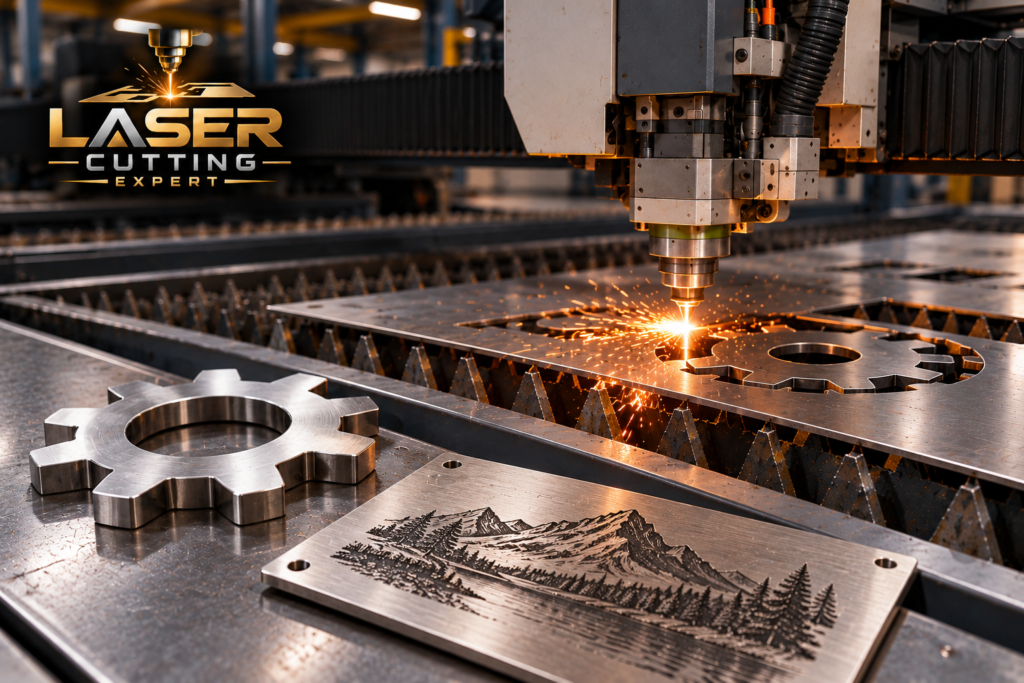
Some jobs need a shape cut out. Others need information, branding or artwork added to the surface. Many need both. Laser Cutting Expert provides laser cutting and engraving from our London workshop for businesses, manufacturers, designers, artists, students, crafters and individual customers throughout the UK. We work on suitable metals, acrylic, wood, plywood, MDF, leather, paper, card and other compatible materials after checking their specification. Customers can order one personalised piece, a prototype, a set of components or repeat production with no minimum quantity. You can supply finished artwork, or we can help prepare cutting lines and engraving artwork before the job reaches production.
CALL OR EMAIL US FOR PRICES
“Order any time of the day or night and receive your order on the same day in London. You are welcome to visit our laser cutting shop for an instant laser cutting service. On-site collection or free delivery can be arranged. Email us at laser@makergroup.uk for a quick quote or call us on 02036339857 for an instant price”.
Same Day Laser Cutting & Delivery
We can arrange a same day courier delivery with customer live tracking. Or customers can collect from our Laser Cutting Expert shop.
OPEN 24 HOUR
We are open 7 days a week, and you can order at any time. There is no last ordering time and no deadline. We also offer an overnight laser cutting service.
100% Satisfaction
High Quality Laser Cutting & 100% Customer Satisfaction Guarantee. Top-Rated Laser Cutting Company on Google.

Free File Check
We offer a free file check and proof before sending your artwork for laser cutting.
Cutting and Engraving Do Different Jobs
Laser cutting normally follows a defined path through suitable material to create the outside shape, holes, slots or internal openings. Engraving works differently: it adds a mark, pattern, text or image to the surface rather than separating the complete profile. Combining the two gives designers much more freedom. A wooden sign, for example, can be cut to a custom outline and then engraved with wording. An acrylic award can have its shape cut first and branding engraved into the face. Industrial labels can combine mounting holes with permanent identification. We decide which artwork belongs to the cutting layer and which belongs to engraving before production starts.
One File Can Control the Whole Design
A well-prepared digital file can contain the outline, internal cut-outs and engraved information for the same component. This makes laser cutting and engraving useful for personalised and repeatable work because the geometry and surface artwork remain coordinated. A plaque can include its mounting holes, outside profile, logo and wording within one organised production file. Different line colours or layers may be used to distinguish operations during artwork preparation. Customers can send suitable vector artwork, CAD files or design information. If the file is unfinished, we can help separate cutting paths from engraving areas and check whether small details will remain practical at the requested finished size.
Custom Signs with Cut Shapes and Engraved Details
Signs are one of the clearest examples of cutting and engraving working together. We can manufacture suitable wooden signs, acrylic signs, metal plaques, house signs, door signs, desk signs, directional signs and decorative signage. The laser can define the outside shape and mounting holes while engraving adds names, room information, instructions or decorative artwork. Materials behave differently, so the visual result depends on whether the sign is made from wood, acrylic, coated metal or another compatible substrate. Outdoor signs also need material and fixing systems suitable for weather exposure. For structural sign frames or large installations, the supporting system should be designed separately from the decorative sign face.
Logos and Branded Components
A company logo does not always need to be printed. It can become a cut profile, an engraved surface detail or a combination of both. Laser cutting and engraving can be used for logo plaques, reception signs, product badges, display pieces, presentation items and branded components. Simple bold logos may work as complete cut-out shapes, while fine details are often better engraved. Extremely small registered marks or text need to remain readable at the final physical size. Businesses should provide vector artwork where possible. We manufacture from customer-supplied branding on the understanding that the customer has permission to reproduce the logo, trademark or other protected artwork being submitted.
Name Plates and Identification Plates
Equipment, doors, desks, machinery and storage systems often need durable identification. We can create custom name plates with cut outer profiles and engraved names, numbers, references or instructions. Suitable materials may include acrylic, wood, coated metals and other compatible sheets depending on the application. Mounting holes can be incorporated directly into the design, avoiding a separate drilling operation. Industrial identification may include serial numbers, equipment references, room numbers or simple operating information. Where labels contain legally required warnings or regulated equipment information, the manufacturer remains responsible for deciding exactly what must appear. Our role is to reproduce the approved content and manufacture the specified physical plate.
Acrylic Cutting and Engraving
Acrylic is useful for signs, displays, awards, table numbers, menu holders, desk products and decorative items because it can be shaped accurately and used in clear, coloured or mirrored forms. Cutting creates the outside profile, while engraving can add text, patterns and suitable graphics. Clear acrylic can create a particularly different visual effect because engraved areas contrast against the transparent sheet. Cast and extruded acrylic may behave differently during engraving and cutting, so the actual material should be identified where appearance is important. Products can include QR signs, branded displays, keyrings, place settings, coasters, plaques, jewellery components, picture frames and exhibition graphics.
Wood and Plywood Cutting with Engraved Detail
Wood allows the cutting process itself to become part of the visual character of a product. We can produce wooden signs, boxes, bookmarks, coasters, ornaments, models, puzzles, wall art, keyrings, gift tags and personalised decorations with engraved wording or artwork added to the surface. Plywood can also be used for architectural models, desk organisers, furniture components and layered products. Natural timber varies in grain, colour, resin and moisture, while plywood contains veneers and adhesive layers. These differences influence both cutting and engraving. Some edge darkening is normal with many wood-based materials, and engraved areas may vary slightly as the laser crosses different parts of the grain.
MDF for Prototypes, Signs and Display Pieces
MDF provides a relatively uniform surface for model-making, prototypes, lettering, display components and decorative products. Laser cutting can create the profile while engraving adds reference marks, names, patterns or assembly information. Suitable products include architectural models, letters, logos, desk organisers, boxes, craft shapes, layered artwork and display pieces. MDF typically develops a darker cut edge, which may be left visible or covered during later painting and finishing. Specialist MDF products can contain different resins, coatings or fire-retardant treatments, so their specification should be checked before processing. Actual board thickness should also be measured where tabs and slots need to fit together accurately.
Leather Cutting and Engraving
Leather products can use cutting and engraving in the same manufacturing stage. Wallet components, card holders, keyrings, luggage tags, bookmarks, labels, patches, bracelets, notebook covers, menu covers and bag components can be shaped and personalised with suitable text or artwork. Genuine leather varies naturally in grain, thickness and surface condition, so every hide is not visually identical. Synthetic leather requires material identification because some products contain PVC or other chlorine-containing materials that must not be laser processed. Unknown faux leather should be supported by supplier information before acceptance. Engraving results also vary between leather types, colours and finishes, making a sample useful for premium visible products.
Paper, Card and Invitations
Fine cutting can turn paper and card into products that would be difficult to create with ordinary straight trimming. Wedding invitations, greeting cards, place cards, menu covers, bookmarks, gift tags, presentation sleeves and decorative stationery can include cut patterns alongside engraved or laser-marked details where the material is suitable. Delicate paper designs need small connecting bridges so internal areas do not fall away unexpectedly. Pale stocks may show some heat marking at cut edges. Coated, laminated or unusual papers should be identified before processing because their composition matters. For printed work, cutting positions can also need careful registration against artwork already present on the sheet.
Wedding and Event Products
Laser cutting and engraving can be used across a coordinated wedding or event range rather than only one product. Suitable items include invitations, save-the-dates, place cards, table numbers, menu cards, signs, cake toppers, coasters, favour tags, guest-name pieces and decorative table elements. Acrylic, wood, plywood, paper, card and suitable metals can create very different styles from the same basic artwork. Names and table numbers can be changed between pieces without creating physical cutting dies. For larger events, producing a small sample first allows the organiser to check size, readability and material appearance before the complete quantity is manufactured.
Personalised Gifts
Personalisation works particularly well when cutting determines the object and engraving provides the individual detail. Keyrings, bookmarks, plaques, coasters, ornaments, jewellery pieces, photo-related products, keepsakes and desk accessories can be made with names, dates, short messages or suitable artwork. There is no minimum quantity, so one personalised gift can be produced without requiring a commercial batch. Materials can include suitable acrylic, wood, plywood, leather and metal depending on the product. Customers can provide their own design or ask for help preparing it. Where photographs or highly detailed images are requested, the artwork should be reviewed to determine whether engraving can reproduce the required visual result effectively.
Keyrings, Tags and Small Products
Small products benefit from combining accurate outside profiles with simple surface information. Acrylic keyrings, wooden keyrings, luggage tags, dog tags, gift tags and product tags can all be designed around custom shapes rather than only standard circles and rectangles. Engraving can then add names, numbers, logos or contact details. Hole size and position should leave enough surrounding material to withstand normal handling. Very fine text needs to remain readable after production, particularly on small items. Different materials also produce different engraving contrast. A design intended for dark wood, for example, may need different treatment from the same artwork placed onto clear acrylic or a coated metal surface.
Labels and Badges
Custom labels and badges can be used for staff identification, equipment, products, events, lockers, displays and workplace organisation. Laser cutting can produce the outside shape and fixing holes, while engraving adds names, numbers, job titles or identification information. Suitable products include staff badges, asset labels, machine labels, desk plates and reusable identification pieces. The chosen material should match the environment in which the item will be used. A decorative wooden badge and an industrial equipment label have very different requirements. Where a label carries mandatory safety information, the equipment manufacturer or employer should determine the required wording, size and placement before artwork is approved for production.
Awards, Trophies and Presentation Pieces
Awards can combine several laser processes and materials within one finished item. Acrylic, wood, plywood and suitable metals can be cut into custom profiles and engraved with event names, winners, dates or sponsor information. Layered construction can create depth by combining a cut backing shape with a smaller engraved face. Corporate awards, sporting presentations, school prizes and commemorative pieces can all be personalised individually. When several awards share one design, variable information can be changed between pieces. Material thickness and base design should provide enough stability for freestanding products. Additional polishing, assembly or finishing may be required depending on the selected materials and intended final appearance.
Wall Art and Home Décor
Maps, silhouettes, botanical designs, family names, clocks, layered artwork and decorative panels can combine cut geometry with engraved detail. A wooden map might use the cut outline for the overall shape while engraved lines identify roads or locations. Acrylic artwork can combine transparent areas with engraved patterns. Metal wall pieces may use cut silhouettes with separate marking where appropriate. Large decorative designs need sufficient bridges and borders to remain stable after material is removed. Wall-mounting methods should also suit the weight and material. We can manufacture the decorative components, while the installer remains responsible for appropriate fixings and safe installation on the intended wall surface.
Boxes and Packaging Components
Laser-cut boxes can use tabs, slots and engraved information within the same design. Plywood presentation boxes, wooden gift boxes, prototype packaging, acrylic cases and specialist inserts can be produced from suitable sheet materials. Engraving can add logos, names, instructions or decorative patterns before the pieces are assembled. Slot dimensions need to reflect the actual sheet thickness and cutting kerf rather than nominal material size alone. Packaging prototypes can also be produced in small quantities to check fit before repeat manufacturing. Where packaging will directly contact food, medical products or other regulated contents, the customer must specify materials that are approved for the intended application.
Architectural Models
Model-making often requires both physical geometry and visual information. Laser cutting can create walls, roofs, windows, floors, landscape elements and structural shapes, while engraving can add brick lines, panel divisions, road markings or assembly references. Suitable materials can include plywood, MDF, card, paper and acrylic. Architectural students, model makers and design practices can order one model or sets of repeated components. Small-scale drawings need simplification because details that work on a full-size building may become too fine at model scale. Engraved part numbers can also be added discreetly to components where they help with assembly without affecting the visible presentation of the completed model.
Stencils and Templates
Stencils require cutting rather than engraving for the areas through which paint, ink or another marking medium must pass. Engraving can still be useful for adding reference information, alignment marks or product identification around the stencil. Suitable materials can include confirmed laser-compatible polyester films, acrylic, card, plywood and other appropriate sheets. Mylar-type stencil material should be confirmed as compatible polyester rather than an unknown plastic film. PVC and chlorine-containing vinyl must not be laser cut. Products can include painting stencils, workshop templates, craft stencils, lettering guides and alignment templates. Bridge positions need careful design so enclosed areas of letters and symbols remain attached.
Industrial Parts with Engraved Identification
Not every engraved item is decorative. Industrial components may need part numbers, assembly references, orientation marks or simple identification added directly to a suitable surface. Laser cutting can first produce brackets, plates, machine panels, guards, shims, washers and equipment components. Engraving or marking can then help distinguish similar parts during fabrication and assembly. The required permanence and contrast depend on the material and environment. Safety-critical information should follow the equipment manufacturer’s approved specification. Engraving does not replace formal traceability systems where regulated industries require certified material identification. It can, however, provide useful workshop and assembly information on suitable components within ordinary fabrication workflows.
Machine Panels and Enclosures
Control panels and equipment enclosures often combine many different operations in one component. The outer profile, mounting holes, ventilation openings and control cut-outs can be laser cut, while labels or reference marks can be added separately where the material permits. Products can include switch panels, equipment faces, access covers, machine guards and enclosure blanks. Parts heading into bending should be developed correctly so openings remain in the intended position after forming. Electrical ratings, guarding requirements and ingress protection depend on the completed enclosure rather than the laser-cut panel alone. Manufacturers remain responsible for validating the safety and compliance of their finished equipment.
Decorative Panels and Screens
A decorative panel can use both through-cut patterns and shallow engraved details to create different levels of visual depth. Products can include garden screens, privacy panels, furniture inserts, wall panels, radiator covers and interior partitions. Suitable materials range from wood and acrylic to compatible metals, depending on the design and environment. Large cut-out areas reduce the amount of material remaining, so bridge widths and borders need to provide sufficient stability. Outdoor panels also require suitable materials and finishes for weather exposure. Structural screens, balustrades and guarding need engineering assessment where people could lean against them or where failure could create a safety risk.
Jewellery and Fashion Accessories
Suitable jewellery components can include earrings, pendants, charms, bracelets, tags and decorative shapes in acrylic, wood, leather and selected metals. Cutting creates the physical outline, while engraving can add patterns, initials or personalised details. Very small designs need practical bridge widths and connection holes. Fashion applications can also include leather patches, garment labels, appliqué templates and suitable accessory components. Material identification remains important, particularly with synthetic leather and plastics. PVC-containing faux leather must not be laser processed. Precious-metal work may require additional finishing and regulatory considerations. Jewellery makers should determine final assembly, polishing and product safety requirements after the laser manufacturing stage.
Engraving Before or After Cutting
The correct operation order depends on the material and product. In some jobs, engraving is completed while the sheet is still intact because larger material is easier to position and handle. The outside profiles are then cut afterwards. Other projects may require a different sequence because of surface protection, alignment or finishing requirements. We plan laser cutting and engraving together rather than assuming the same order works for every material. Printed acrylic, coated metals, wood and finished products can each require different handling. Where artwork must align closely with an existing print or physical feature, registration should be discussed before production rather than corrected after components have already been cut.
Engraving Text and Numbers
Names, dates, serial references, table numbers, room numbers and short instructions can all be added to suitable products. The smallest readable size depends on the font, material and engraving method. Thin decorative fonts can disappear or become unclear when reduced too far. For industrial work, simple fonts often provide better legibility. Personalised products can contain different information on every item without needing separate physical tooling. This is useful for wedding place settings, staff badges, equipment labels and numbered components. Customers should supply the final spelling and data carefully because production will follow the approved artwork. Variable lists can be organised before engraving begins.
Engraving Logos and Artwork
Logos can contain fine lines, gradients and tiny lettering that behave differently from simple text. We review the artwork at its actual intended size before engraving. Vector artwork is particularly useful for clean line-based logos, while suitable raster artwork may be used for certain image-based engraving processes. The material also affects contrast. An engraving that appears strongly on one wood may be subtle on another. Clear acrylic, coated metals and leather each produce their own visual character. Where exact corporate colour reproduction is required, engraving alone may not be appropriate because the process changes or removes the surface rather than applying a controlled printed ink colour.
Photo and Image Engraving
Some materials can reproduce photographic or tonal artwork through controlled engraving, but the result should not be expected to look exactly like a colour photograph on a screen. The image is translated into a pattern of laser-produced marks whose appearance depends on material colour, grain, coating and resolution. Wood, suitable acrylic and selected coated products can each give different results. High-quality source images are preferable, especially where faces or small details are important. A test piece can be sensible for a valuable personalised item. If full-colour photographic reproduction is the priority, printing may be more appropriate than engraving, or the two methods may be combined in a broader product workflow.
Customer-Supplied Products and Blanks
Customers do not always need us to supply the base product. Suitable blanks, plaques, leather items, sheets and components can be provided for customisation, subject to material identification and compatibility. Before engraving or cutting a customer-supplied item, we need to know what it is made from. Unknown plastics, coated products and synthetic materials cannot be accepted simply because they look similar to known laser-compatible materials. Supplier specifications or safety information may be required. We can also source suitable materials or blanks when requested. For unique or valuable customer-owned items, a comparable sample or spare piece can be useful for testing before the final product is processed.
Materials We Need to Refuse
Material safety comes before production speed. PVC, vinyl containing chlorine and other chlorine-containing materials must not be laser cut because heating them can release hazardous and corrosive gases. Unknown plastics and synthetic sheets require identification before processing. Composite materials, coated products and specialist technical sheets may need supplier specifications or safety data. A material being thin does not automatically make it laser-safe. We assess compatibility before accepting unfamiliar customer-supplied stock. If laser processing is not appropriate, we will not treat increased machine power as the solution. Depending on the product, another cutting or engraving process may be technically safer and produce a better result.
Prototype and One-Off Laser Work
There is no minimum order for our laser cutting and engraving service. A customer can order one sign, one prototype panel, one personalised gift or one test component. This is useful when the design is new or when the material result needs to be checked before committing to a larger quantity. Prototype work can confirm dimensions, slot fit, text size, engraving contrast and general appearance. Once the customer is happy, the approved digital artwork can be reused for repeat production. This approach is particularly useful for product designers, students, engineers, wedding suppliers and small businesses that need flexibility rather than being forced into large manufacturing quantities.
Batch and Repeat Production
Once a design has been approved, digital production makes it easier to manufacture additional pieces consistently. Repeat jobs can include industrial labels, signs, keyrings, furniture components, invitations, badges, model parts, gift products and fabrication components. The same basic file can also contain variable information where names or numbers change between pieces. Material batches may still vary naturally, especially with wood and leather, so visual appearance cannot always be identical. For engineered components, using the same material specification helps maintain consistency. Customers with regular requirements can organise work into practical batches rather than ordering an unnecessarily large quantity at one time.
CAD, Vector Artwork and Design Support
Clean artwork helps both cutting and engraving run more reliably. Cutting paths should be closed and free from duplicates, while engraving artwork needs enough resolution or vector quality for the intended finished size. Customers can supply CAD, vector artwork or other suitable design files. If you only have a sketch, dimensions, logo or rough idea, our team can help prepare the production artwork. Our related CNC Laser Cutting service can also support suitable digitally controlled profile work where repeatable geometry is required. We send or review appropriate production information before manufacturing where necessary, helping resolve obvious design problems before material and machine time are committed.
Same Day Laser Cutting and Engraving London
Urgent work can include a replacement equipment label, event sign, personalised gift, prototype component or last-minute display piece. Our London production operates 24/7, including weekends and bank holidays. Suitable jobs can be completed on the same day when material, artwork, quantity and production requirements allow. There is no minimum order, so urgent work does not have to be a large batch. Customers can provide compatible materials or ask us to source suitable stock. Same-day courier delivery is available across London for appropriate completed orders. Jobs requiring extensive finishing, specialist material assessment or complex design preparation may require additional production time before they can be released.
Laser Cutting and Engraving Across the UK
Laser Cutting Expert supports customers throughout the UK from our London workshop. We work with businesses, engineers, artists, crafters, students, wedding suppliers, manufacturers, designers and private customers. Projects can range from one engraved keyring or custom plaque to batches of machine labels, panels, model components and branded products. Send us the dimensions, material, quantity and artwork where available, and tell us which areas should be cut and which should be engraved. Next-day UK delivery is available for suitable completed work, while urgent London orders can use same-day courier delivery. Customer-supplied compatible blanks and materials are also welcome after material checks.
FAQs About Laser Cutting & Engraving
1. What is the difference between laser cutting and engraving?
Laser cutting passes through suitable material to create a profile or opening. Engraving creates text, artwork or markings on the surface without cutting the entire shape free.
2. Can you cut and engrave the same product?
Yes. Many products combine both operations, including signs, plaques, keyrings, awards, wedding items, boxes and industrial labels.
3. What materials can you work with?
Suitable materials can include acrylic, wood, plywood, MDF, leather, paper, card and compatible metals. Exact suitability depends on the material and required process.
4. Can you engrave my own product?
Yes, suitable customer-supplied products and blanks can be considered once the material has been identified and confirmed as compatible.
5. Do you have a minimum order?
No. We can produce one personalised item, one prototype, a short batch or repeat quantities.
6. Can you engrave logos and names?
Yes. Logos, names, dates, numbers, messages and suitable artwork can be incorporated into many products.
7. Can you help with my artwork?
Yes. You can send production-ready files or ask us to help prepare cutting paths and engraving artwork from your available design information.
8. Do you offer same-day service?
Yes. Suitable production-ready projects can be completed the same day in London, depending on material, artwork, quantity and current production requirements.
9. Do you deliver outside London?
Yes. We provide delivery throughout the UK, including next-day options for suitable completed orders.